



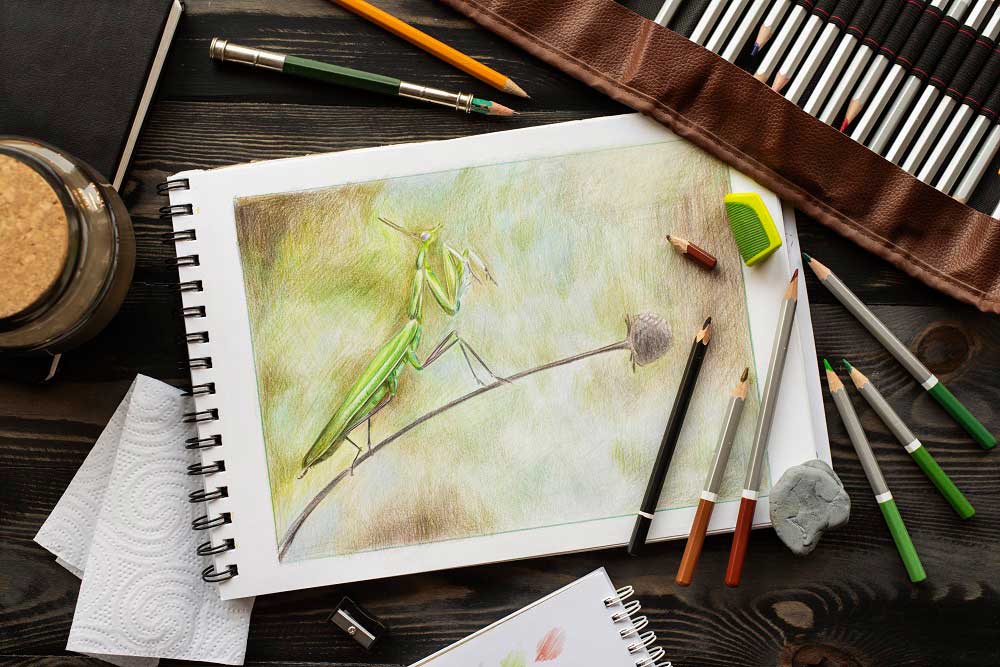

Introduction: The fusion of imagination and reality
As an artist, I have always been fascinated by the power of imagination and its ability to bring to life the most extraordinary creations. The fusion of imagination and reality is a concept that has captivated artists throughout history, pushing the boundaries of what is possible in the realm of art. One form of art that beautifully embodies this fusion is the combination of 3D sketchbook drawings with real-life objects. In this article, we will delve into the world of this spectacular art form, exploring its intricacies, the process behind creating it, and the impact it has had on the art world.
Understanding 3D sketchbook drawings
Before we dive into the art of combining 3D sketchbook drawings with objects, it is important to understand what exactly 3D sketchbook drawings are. Unlike traditional 2D sketches, 3D sketchbook drawings create an illusion of depth and dimension on a two-dimensional surface. Artists use various techniques such as shading, perspective, and layering to give their drawings a three-dimensional appearance.
One of the key elements of 3D sketchbook drawings is the use of optical illusions. By manipulating lines, shapes, and angles, artists are able to trick the viewer’s eye into perceiving depth where there is none. This skillful manipulation of perception is what gives 3D sketchbook drawings their mesmerizing quality.
Exploring the art of combining 3D sketchbook drawings with objects
Now that we have a basic understanding of 3D sketchbook drawings, let’s explore the art of combining them with real-life objects. This art form takes the illusion of depth created by the drawings and merges it seamlessly with physical objects, blurring the line between imagination and reality even further.
The process of combining 3D sketchbook drawings with objects requires careful planning and execution. The artist must consider the shape, size, and texture of the object they wish to incorporate into their drawing. They must also take into account the perspective and lighting of the drawing to ensure that the object appears to be a natural part of the composition. This meticulous attention to detail is what sets this art form apart and makes it truly awe-inspiring.
The process behind creating 3D sketchbook drawings
Creating 3D sketchbook drawings with objects is a multi-step process that requires both artistic skill and technical know-how. The first step is to conceptualize the drawing and determine the objects that will be incorporated into it. Once the concept is solidified, the artist begins sketching the foundation of the drawing, paying close attention to perspective and proportion.
Next, the artist adds depth and dimension to the sketch by using shading and highlighting techniques. This is where the illusion of three-dimensionality starts to take shape. Once the drawing is complete, the artist carefully selects the objects that will be integrated into the composition. These objects are then positioned and secured in such a way that they seamlessly blend with the drawing, creating a cohesive and visually striking final piece.
Examples of stunning 3D sketchbook drawings with objects
To truly appreciate the beauty and impact of 3D sketchbook drawings with objects, let’s take a look at some stunning examples. One artist who has mastered this art form is John Pugh. His mural titled “Hole in the Ground” is a perfect example of how 3D sketchbook drawings can be combined with objects to create a mind-bending experience for the viewer. In this mural, Pugh uses a combination of painted elements and real objects to create the illusion of a deep pit in the ground. The result is a visually striking and thought-provoking piece of art.
Another artist who has pushed the boundaries of this art form is Alexa Meade. Her unique approach involves painting directly on live models, transforming them into living, breathing 3D sketchbook drawings. By blurring the line between the painted subject and its surroundings, Meade creates a surreal and captivating visual experience.
Tools and techniques for creating 3D sketchbook drawings
Creating 3D sketchbook drawings with objects requires a combination of traditional drawing tools and modern technology. Some of the essential tools for this art form include a sketchbook or drawing pad, pencils or pens of various thicknesses, shading tools such as charcoal or graphite sticks, and erasers for corrections.
In addition to traditional tools, artists may also utilize digital software to enhance their drawings. Programs like Photoshop or Illustrator can be used to add digital effects, adjust lighting, or manipulate colors. These tools can further enhance the illusion of depth and realism in the final artwork.
Tips for beginners to start creating 3D sketchbook drawings with objects
If you’re inspired to try your hand at creating 3D sketchbook drawings with objects, here are a few tips to get you started.
- Start with simple objects: Begin by incorporating small and uncomplicated objects into your drawings. This will help you understand the process and build your confidence before tackling more complex compositions.
- Practice perspective and shading: Understanding the principles of perspective and shading is crucial for creating realistic 3D illusions. Take the time to study these concepts and practice them in your drawings.
- Experiment with different materials: Don’t be afraid to explore different drawing materials and techniques. Experimenting with different tools and textures can add depth and interest to your artwork.
- Seek inspiration: Look for inspiration from other artists who have mastered the art of combining 3D sketchbook drawings with objects. Study their techniques and incorporate elements that resonate with your own artistic style.
The impact of 3D sketchbook drawings on the art world
The fusion of imagination and reality in the form of 3D sketchbook drawings with objects has had a profound impact on the art world. This art form challenges traditional notions of what is possible in the realm of drawing, pushing artists to think outside the box and experiment with new techniques and materials.
Furthermore, 3D sketchbook drawings with objects have captured the attention and imagination of viewers around the world. The seamless integration of real-life objects into drawings creates a sense of wonder and disbelief, leaving a lasting impression on those who experience it. This art form has the power to transport viewers into a world where imagination and reality coexist in perfect harmony.
Inspirational artists who have mastered the art of combining 3D sketchbook drawings with objects
Several artists have made a significant impact in the world of 3D sketchbook drawings with objects. One such artist is Nagai Hideyuki, whose intricate drawings merge seamlessly with everyday objects, transforming them into whimsical and fantastical creations. Hideyuki’s attention to detail and ability to create illusions of depth are truly remarkable.
Another artist who has mastered this art form is Gregor Wosik. His drawings combine meticulous attention to detail with a sense of whimsy and playfulness. Wosik’s ability to seamlessly integrate objects into his drawings creates a sense of magic and wonder.
Conclusion: Embracing the fusion of imagination and reality in art
The fusion of imagination and reality in the form of 3D sketchbook drawings with objects is a breathtaking art form that pushes the boundaries of what is possible in the realm of art. By seamlessly integrating real-life objects into their drawings, artists create a sense of wonder and disbelief that captivates viewers.
As an artist, I am constantly inspired by the fusion of imagination and reality. The ability to bring my wildest creations to life on a two-dimensional surface and then merge them with physical objects is a truly magical experience. I encourage fellow artists and art enthusiasts to embrace this fusion and explore the world of 3D sketchbook drawings with objects. Let your imagination run wild and blur the line between what is real and what is imagined. The possibilities are endless.